💖 For Love of Billie
Virtual Book Launch & Author Discussion

📅 Event Details
Date: Saturday, February 14, 2026
Time: 12:00–1:00 PM (Eastern)
Location: Live on Zoom
Cost: Free (registration required)
📝 Registration closes Friday, February 13 at 8:00 PM.
👉 [REGISTER FOR THE VIRTUAL BOOK LAUNCH]
(button links to Zoom registration URL)
📖 What to Expect
This relaxed, one-hour Zoom event will include:
- A short guest reading from For Love of Billie
- An author discussion exploring the story’s inspiration, themes, and writing journey
- Live audience Q&A — questions and comments are encouraged
- A live giveaway of bookstore gift certificates for attendees who join live
💬 A Note About the Experience
This book launch is intentionally small and conversational. If you’re attending, you’re considered a VIP guest — an essential part of the book’s launch journey.
Bring a cup of coffee or tea, settle in somewhere cozy, and enjoy an hour centered on story, craft, and connection.
To encourage meaningful discussion, a couple of chapters from the book have been shared in advance. Participants are welcome to reference them, ask questions, or share observations during the event.
Click to Read:
FOR LOVE OF BILLIE
CHAPTER ONE
I studied the what’s-wrong-with-this-picture drawing on the back of the cereal box at breakfast. A broom stored in the refrigerator. Books shelved under the sink. The wall clock without its hour hand.
Tick. Tick. Tick.
Mom shattered the silence. “I don’t know why you think you have to go, Aidan,” she said to Dad. “You don’t get overtime.”
Bang! Dad gaveled his mug on the counter and turned to face her. If he was counting, he didn’t make it to ten. “Now what, Monica? What do you nee—”
Mom waved her hand to cut him off. She didn’t need anything. She wanted him to not want to go, but couldn’t or wouldn’t ask him to stay, so every Saturday, Dad visited three or four of the advertising accounts he serviced for The Danton Monitor, our hometown daily newspaper, and every Saturday Mom picked at him for it like I’d pick at a scab.
The first time he took me with him on what he called his rounds, Dad said, “People want to be heard, Finn. I try to listen.” Then, grinning and poking me in the ribs, he added, “Besides, when I stop in to shoot the breeze on the weekend, I sell more ads during the week.”
A second-grade teacher in my elementary school, Mom talked and expected others to heed.
“Ready to go, Finn?” Dad asked, as though we were setting off on an adventure rather than a ride around town.
I slurped the last of the milk from my bowl, wiped my mouth with the back of my hand, and nearly knocked over my chair as I pushed it back and jumped up from the seat. “Ready, Dad!”
Mom motioned me to her side, swept the mop of sun-bleached hair from my forehead, and mused, “Where has the time gone, Finn? When did you get so big?” I didn’t understand her thinking. I’d worn out the previous year’s shirts, pants, and jacket before she could hand them down to Rand and Rudd, the scruffy younger Jones twins at school, and I was sure I’d still be the shortest kid in my class when I started sixth grade in a week.
Every day I stood tall and sat up straight, and I’d asked Dad if there was a rack or some other equipment to stretch me at Gus’s Gym where he lifted weights. He’d stifled a laugh and told me not to worry. “You’ll have another growth spurt,” he said. “You could end up taller than me.” But I was afraid I was done growing, afraid I’d be “Shrimp” or “Short Stuff” or worse, ignored.
Mom sighed, gave my bangs another brushback, and issued Dad an order: “Get his hair cut while you’re out or he won’t be able to see the board in school.”
When Dad snapped to attention, saluted Mom, and said, “Aye, aye, Cap’n,” I froze. His teasing could ease the tension or set her off again. As she leapt from her chair and swatted his back with the rolled-up morning paper, I sucked in a breath, then exhaled, relieved, when she laughed with him and shooed us from the house.
The air outside steamed like a shower, and my faded black Star Wars T-shirt stuck to my back. We slid into Dad’s seven-year-old Fairlane and rolled down the windows because the air conditioning was shot. Mom’s car was the newer Ford station wagon in the one-stall garage behind our nearly hundred-year-old house.
“I’d be embarrassed to drive this car the way you keep it,” Dad said the day he discovered “Wash me” scrawled in the dust on the wagon’s rear window.
Mom snapped. “I don’t care what it looks like as long as it gets me where I want to go.”
Dad fired back. “Well, it won’t get you anywhere if you forget to fill the tank.”
“One time. That only happened once,” Mom said, sputtering like the car when it had run out of gas on our way to school. If he hadn’t driven by, Dad never would have known. Mom would have called anyone else for help, and she’d have told me, “Let’s not bother your dad about this.”
Dad started the car, backed down the driveway, and drove to the other end of our block. In front of my grandpa Dom’s house, Dad turned and sped downhill into the new day. He grinned as I waved my arm out the window like he did and echoed his shouts: “Hello, Maple Lawn. Wake up, Washington Avenue.” On Main Street he parked between the sprawling newspaper plant and Sam’s sliver of a barbershop. “Let’s stop in at the paper,” he said. “Then we’ll go get your hair cut.”
After he unlocked the office door, I ran ahead to the ad department, but stopped short when I spied a woman I didn’t know sitting at the clunky industrial-style desk abutting Dad’s.
A dust-flecked shaft of sunlight lit her copper-colored hair like a halo and I swear she had the face of the statue of the Little Flower in church.
She must be holy.
“Billie,” Dad said as he came up behind me and rested his hands on my shoulders. “This is my son, Finn.”
I caught a whiff of the sweet, spicy jasmine that climbed Grandpa’s back porch post and gazed into her green eyes like we were in a staring contest. Billie blinked first with long lashes that were thick and dark, and when she said my name in a breathy voice, I thrummed like a white-hot lightsaber.
CHAPTER TWO
No, Billie wasn’t a saint.
She was one of “them,” employees of the Louden Company, the Monitor’s new owner. They’d come to conform the Monitor to Louden corporate standards, but Dad said the company was more interested in our paper’s state-of-the-art four-color press and location north of Pittsburgh’s interstate highways. Danton was one of the sites chosen to print and distribute a new kind of newspaper covering the whole country for readers nationwide. The Monitor was a sideline.
In the newsroom, the out-of-town editors introduced the glory obit, a feature story incorporating the details of death of important people like a borough councilman and the retired superintendent of schools. In phone calls and letters to the editor, longtime Monitor subscribers like Grandpa complained. Dad said people in Danton didn’t like the idea of anyone receiving special treatment at the end of life no matter how significant their accomplishments or interesting the stories. They thought Death should be the Great Equalizer.
While some of the ad salesmen were worried about their jobs, Dad wasn’t concerned about his. Billie had discovered why. “Everyone says you’re the best salesman here, Aidan,” she said to Dad. “What’s your secret?”
“No secret,” Dad said, shrugging off her compliment. “I just do my job.”
“Well, can I shadow you someday? To see for myself?” Billie asked.
I wasn’t surprised that Dad put off my haircut and invited her to join us. No time like the present—that was his motto. It must have been Billie’s too because she jumped up from her chair ready to go.
“It’ll be hot in our car, though,” Dad warned her. “The air’s on the fritz.”
“Oh, we can take mine,” Billie said. She grabbed her purse, led us outside to a brand-new candy-apple red Camaro, and giggled when Dad stopped and stared and wolf whistled like a bug-eyed cartoon character. “Do you like it?” she asked him. “I just got it. Before I left Florida.”
“You left Florida for western Pennsylvania?” Dad asked, like he couldn’t believe it.
Billie shrugged. “It was time for a change.” She said she’d worked for four years at her hometown newspaper after high school and transferred to the Louden flagship paper in Tampa for the past three. That made her twenty-five, ten years younger than Dad and Mom, and thirteen years older than me—once I turned twelve in two months.
“Well, I hope you’ll like it here,” Dad said. “We do, huh, Finn?”
I nodded like a bobblehead.
When Dad opened the passenger door, I dove into the sleek black leather interior. Instantly, the new-car smell overpowered Billie’s perfume. Perched on the edge of the rear seat, I gripped the bucket seat backs and scrutinized the dash, determined to memorize every detail.
As Dad and Billie got into the car, I slid back—straight into a real-life what’s wrong with this picture. Oh, there were three of us and I was sitting in back as usual, but Dad wasn’t driving and Mom wasn’t there. My neck prickled as though Sam, the barber, were buzzing it with his clippers, but Dad settled into his seat as easily as he relaxed in his recliner at home. If an indicator had flashed, he’d missed it. “Don’t ignore the check engine light or you’ll have bigger problems down the road,” he’d often told Mom. I would have warned him that something was wrong, but like the boy on the cereal box at breakfast, I was mute, immobile. Only my eyes moved, darting from Billie to Dad and back to Billie again.
“It’s so hilly here,” Billie said, looking around as she started the car.
Dad chuckled. “Yes. That’s western Pennsylvania.”
“And the streets are so wide and curvy.”
“You noticed,” he said, cocking his head like he did whenever someone surprised—and pleased—him with an observation. Billie beamed.
Then, turning to look as she backed up her car, she winked at me. Like a shot, it knocked me back in my seat and scrambled my senses. When Dad or Grandpa winked at me, it was to let me in on the joke when they told a tall tale, but Billie hadn’t said anything and she didn’t look like she was kidding. Dazed, I kept an eye on her as she drove. She glanced frequently at Dad, who talked like a tour guide.
“You’ve heard of Olmstead? The famous landscape architect who designed Central Park? He laid out Danton too. That’s why we have these wide, winding streets and the tall maples to shade them. And at the turn of the century, Danton had the world’s largest sheet steel mill.” Leaning back in his seat, Dad spoke to me over his shoulder. “Tell Billie where the workers came from, Finn.”
“Germany, Italy, Ireland, and Poland,” I recited.
“Are you the local historian?” Billie asked Dad. From her teasing tone and his self-conscious smoothing of his cowlick, she might have winked at him too.
“Sorry,” he said, shaking his head. “I talk too much.”
“No,” Billie countered. “You know so much.”
“Well,” Dad said, “I’m interested in history. And science—”
“And everything else,” I said, piping up.
“Ooh,” Billie cooed. “A Renaissance man.”
Again, Dad smoothed that tuft of hair Mom told him people only noticed because he was always touching it.
He pointed out the Victorian and Queen Anne–style houses commissioned by the mill owner for his workers and churches like St. Anthony’s and Our Lady of Czestochowa built by the immigrants themselves. “People are assimilated today,” he told Billie. “If they go to church at all, they go to the nearest one, not necessarily the one built by their ancestors.”
At our own church, the wrinkled old ladies giggled like girls when Dad teased them, and in town, whenever he encountered the gaunt, grizzled man everyone called The Pointer, Dad never crossed the street to avoid him. He walked right up to the old man, looked where he gestured, and nodded at the gibberish he spoke. People noticed that, and while they admired my mother, they embraced my dad.
Dad liked to recall the morning he drove into Danton for the first time and saw Mom’s hometown materialize through the river’s thin mist.
“Brigadoon? Ha. That’s a laugh,” Mom said dismissively. “There’s nothing remarkable about this place.”
Mom was right about a lot of things, but she was wrong about that. Besides the usual swings and seesaws, our community park had amazing attractions that could transport kids far beyond Danton’s borders. My friends and I patrolled foreign battlefields in the decommissioned Sherman tank and rode the rails like brakemen in the Conrail caboose bolted to a bed of track. We crawled through the belly of the Sabre jet to the cockpit, then bailed out like paratroopers, zipping down the slide that protruded from the jet’s nose like an insect’s proboscis. At a pond on the outskirts of town, we scooped minnows, and on the train tracks, we laid pennies for the passing freights to flatten. Everyone knew everyone else, and we kids could roam all over town.
I willed Billie to feel the magic.
As we approached Simpson’s Ford dealership, Dad’s largest account and the one he made sure to visit every Saturday, Dad pointed and I shouted, “Billie, stop!” After she parked, I darted from her car to the gleaming pewter-and-black Mustang hatchback inside the showroom. With its red and orange racing stripes and stenciled images of galloping horses, it was a replica of that year’s Indy pace car. We’d been waiting weeks for it to arrive.
“Hop in, Finn,” said one of the salesmen as he opened the driver’s-side door. I scrambled onto a seat upholstered in a dizzying black-and-white houndstooth, grabbed the wheel, and turned it from side to side leaning into imaginary curves. “So, Aidan,” the salesman said to Dad, grinning and rubbing his hands together, “what’ll it take to get you into the driver’s seat?”
“Sorry,” Dad said, striking a hands-up pose. “I’m a family man. It’s strictly sedans for me.”
As though Billie were a new hire rather than a temporary Louden transfer, the salesman said, “Nice to meet you. Billie, is it? Stick with Aidan, here. He’ll show you the ropes.”
Mr. Simpson made the same assumption about Billie when Dad introduced them. “You’ll learn a lot from Aidan here,” he told her. “I’ve tried to get him to come work for me, but he says he’d rather be out and about.”
At the door to the garage, I inhaled the intoxicating mix of gas and oil and exhaust and ran to a service bay where Mom’s older brother, my uncle Pete, was prone over an engine. When Dad introduced them and Billie stuck out her hand to shake his, Pete smiled what Mom called his lady-killer smile. “Another time maybe?” he asked, holding up his grease-blackened hands. Billie giggled, Pete laughed with her, and Dad said we’d better get going, we’d see Pete later. “Might not have a picnic supper tonight,” Pete said, jerking his thumb toward the radio on a nearby workbench. “They say a storm’s coming.”
“Hard to believe the way it looks now,” Dad said. Outside the garage, the sun beat down from a cloudless sky.
As we started to leave, Mr. Simpson called to Dad from the showroom door, and Dad gave him a thumbs-up when Mr. Simpson said, “Save us a spot in that Labor Day ad supplement, Aidan. We’ll have the copy for you next week.”
Awed, Billie said, “You didn’t even have to ask.”
Dad just grinned, suggested lunch though it wasn’t yet noon, and directed Billie back into town to Jake’s, a bar down the street from the newspaper.
It took a minute for my eyes to adjust to the bar’s dark interior, and I gagged at the stale beer smell. I trailed Dad and Billie past the long row of bar stools, a few occupied by off-the-night-shift millworkers hunched over their bottles of Iron City beer and empty shot glasses.
In the small dining area at the back, Dad chose a laminate table that teetered. Instead of moving to another, he and Billie sat there rocking the table back and forth like it was the funniest thing in the world. Even after Jake brought their beers, my Coke, and our capicola and provolone sandwiches, they played with the table like a couple of kids. If it had been one of my friends and me, Dad would have bawled us out and told us to stop carrying on, but with Billie he just laughed.
When Dad cracked a joke and Billie giggled, leaning closer to him, it was like a movie camera zoomed in on them for a close-up and cut me out of the shot. I got that two’s-company-three’s-a-crowd feeling and nudged Dad to insert myself back into the scene. “We should go,” I said. “We only made one stop.”
“In a minute,” Dad said, but he didn’t look at me. His eyes were on Billie. I eyed her too, then got up to fire darts at the board on the wall. After a few of the darts missed the target and stuck in the wall above, below, or beside the board, Jake came to the table, glowered at me, and asked, “Getcha anything else, Aidan?” Finally, Dad got up to leave.
Back in Billie’s car, we rode through the west side of town, the area eastside residents considered “the wrong side of the tracks.” Developed later and without a grand plan, the west side had smaller lots and plainer houses than those in our neighborhood. Storefronts were drab and some were empty. Good thing Dad didn’t say any of that to Billie because she pointed up Seventh Street where she said she was renting a cute little apartment in a house at the top of the hill.
“You’re not staying at the motel with the rest of them?” Dad asked her.
“Oh, no. I wanted my own place,” Billie said. Again, she asked Dad about his record ad sales.
“I don’t think of myself as a salesman,” he said.
“What?” Billie sounded confused.
“I’m a problem solver,” Dad said. “I listen to what owners and managers say they need and show them how advertising can help them get it.”
“But—”
“Trust me,” he said, “the commissions follow.” Then he posed the question that troubled his coworkers. “About those layoff rumors, should the ad department be worried?”
“Well, you shouldn’t,” Billie said confidently. “Corporate will probably offer you a transfer to one of the metro papers.”
“Oh, I’ll never leave Danton,” Dad said. He didn’t add what he’d often told Mom and me, that he thought it was better to be the big fish in a small pond.
“How about you, Finn?” Billie asked, her eyes seeking mine in the mirror again. “Do you want to work at the newspaper like your dad?”
He and I answered simultaneously.
“Not in the ad department,” Dad said.
“I want to be a reporter,” I said.
My pulse quickened as I pictured the newsroom where the teletype machine rattled and the police scanner squawked. Yes, Dad had a point when he said the ads he sold helped pay staff salaries, but to me, writers were the most important people at the paper. They investigated everything so the Monitor could confirm or deny, praise or criticize, expose events or keep them off the record. The paper had power, and its reporters got the glory. “They’re the first ones to find things out and they get to tell everyone else,” I said, eager for Billie’s reaction.
“Well, I think they’re nosy,” she said. “I would never speak to a reporter.”
Oof! Her blunt reply was a gut punch and I blurted my surprise. “That’s what my mom says.”
“Well, she’s right,” Billie said.
No, she’s wrong. You’re wrong, Billie. I stared at the back of her head as though I could bore through and change her mind but gave up and looked out the window. I couldn’t believe it. I didn’t think Billie was like Mom. I didn’t want her to be like Mom.
Close
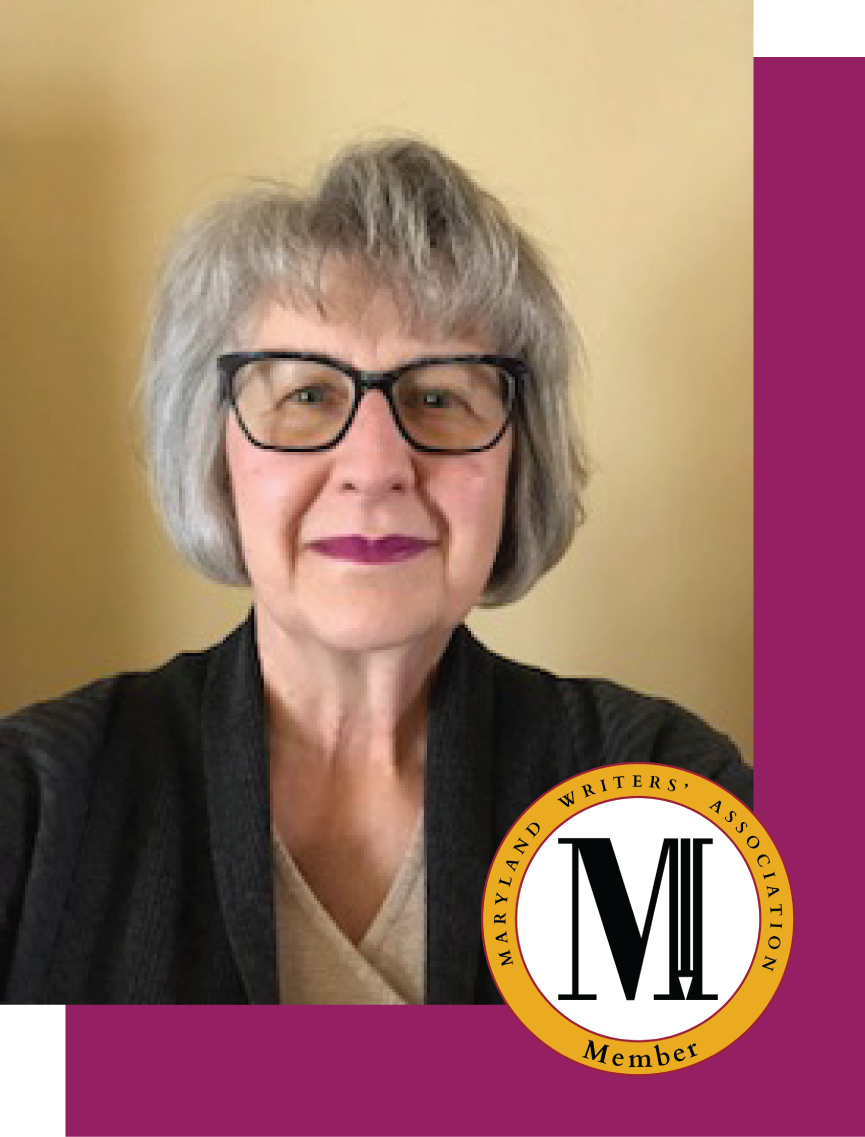
✍️ About the Author
Pat Vido is a longtime journalist and storyteller whose work focuses on character, memory, and the moments that shape us. For Love of Billie reflects her commitment to “a good story well told” and invites readers into a thoughtful, emotionally resonant reading experience.
💌 Connect with Pat
Follow Pat on social media, join her mailing list, or visit her website to stay up to date on her writing, events, and future projects.
📌 After the Event
Attendees will receive a follow-up email with:
- A link to purchase For Love of Billie
- Additional resources shared during the discussion
- Ways readers can help support the book’s journey
🔁 Ready to Join Us?
👉 [REGISTER FOR THE VIRTUAL BOOK LAUNCH]
Registration required • Zoom link sent automatically after sign-up